 . It was weird but simple to execute to make that lens to work again.
See you,
Frank
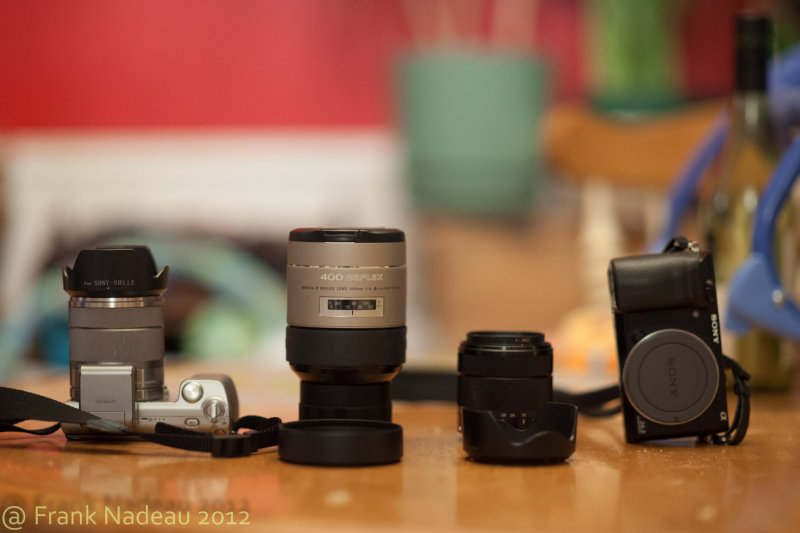
 . It was weird but simple to execute to make that lens to work again. . My guess is that it is a telephoto lens of some sort, and perhaps the bokeh suggests a mirror reflex lens?
 you are hotBirma wrote:Hi Frank - nice shot
... BRAVO !David Kilpatrick wrote:400mm from Vectis...
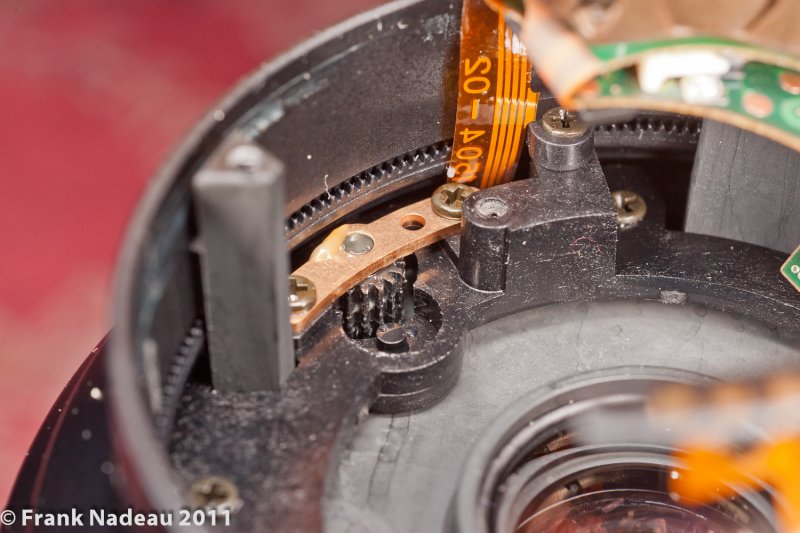
yes the 400mm Vectis , the modification is a little bit not weird but it is working. I have found a way to feed the mechanical gear of the internal focus system directly with the fragile focus ring. 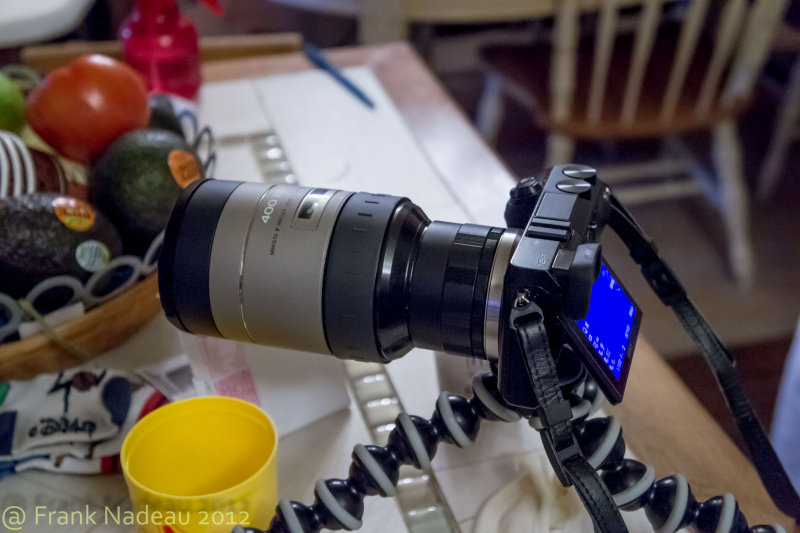
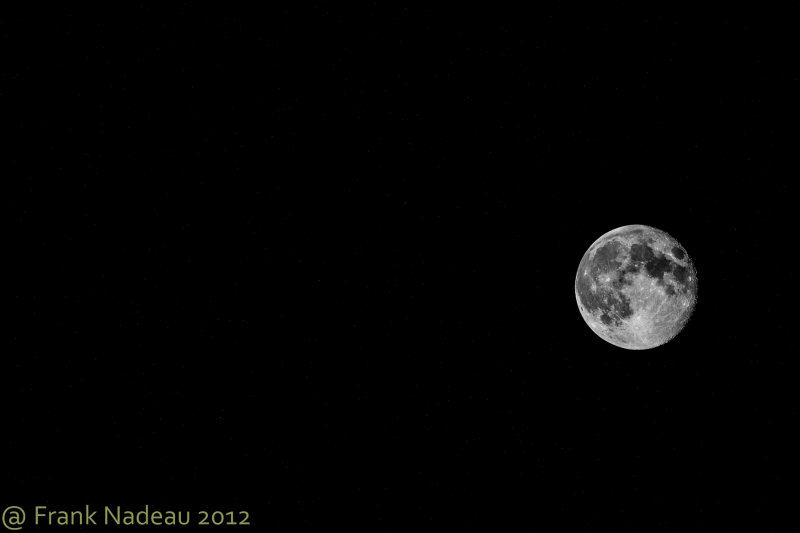
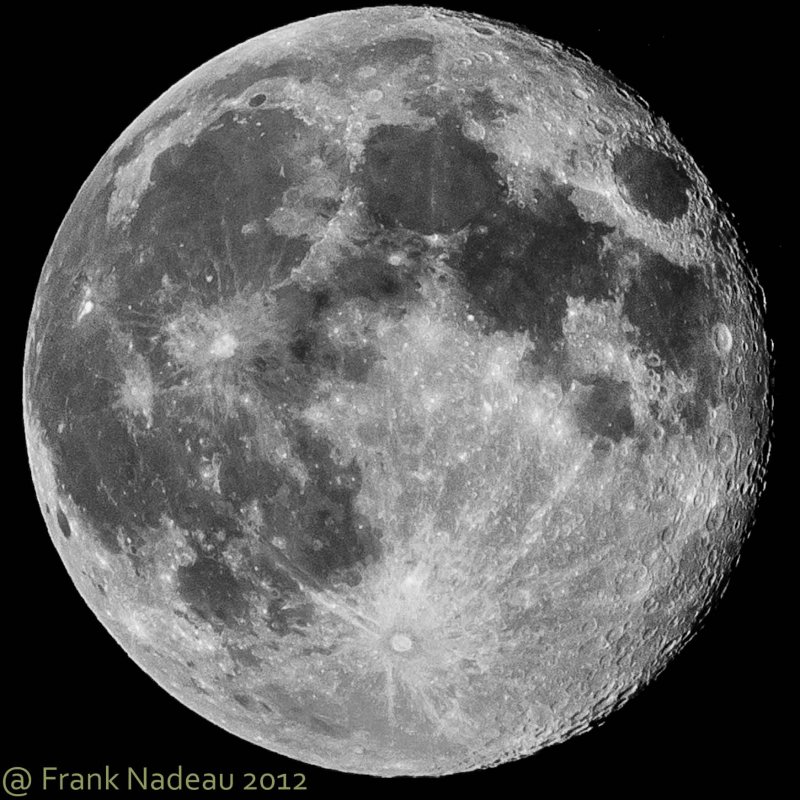
The focus system of Vectis is almost identical of the one in the NEX, without power you cannot do anything. So I put in the trash all the electrical system. The good new for the Mirror lens is that there is no aperture controlDavid Kilpatrick wrote:This is very impressive. I assume that the lens can not be focused, when removed from a camera, normally, but you have linked the focus ring to the mechanism to overcome this. I can't remember exactly how the AF used to work on this lens although I did have one. What mount parts have you used to make the adaptor ring?
David
. Here is picture I took last year when I received the lens (it took me about all that time to find a free hour to try to convert it... and I want to have a third kid next year ...) : LINK: http://www.pbase.com/nadeauf/vectis400mm8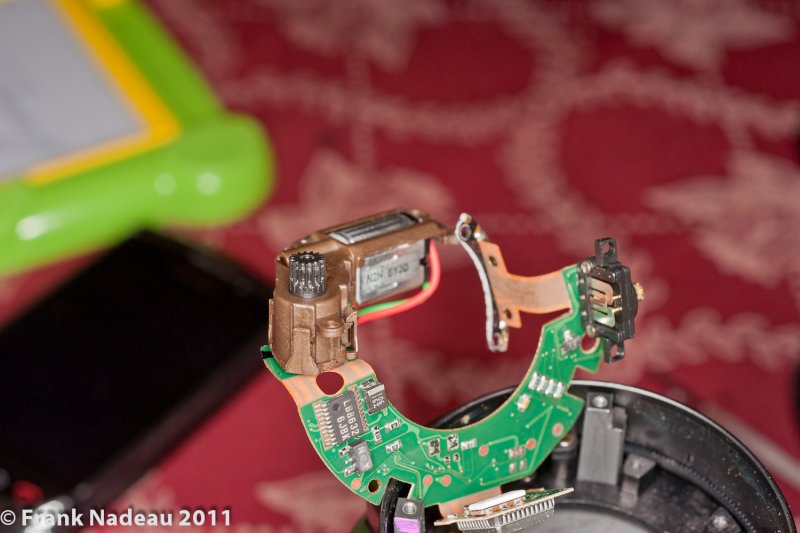
Users browsing this forum: No registered users and 23 guests

